Taking on Challenges for the Future of Regenerative Medicine - Through Cooperation Between Cell Resources Corporation and Korean CDMO ENCell Co., Ltd. -
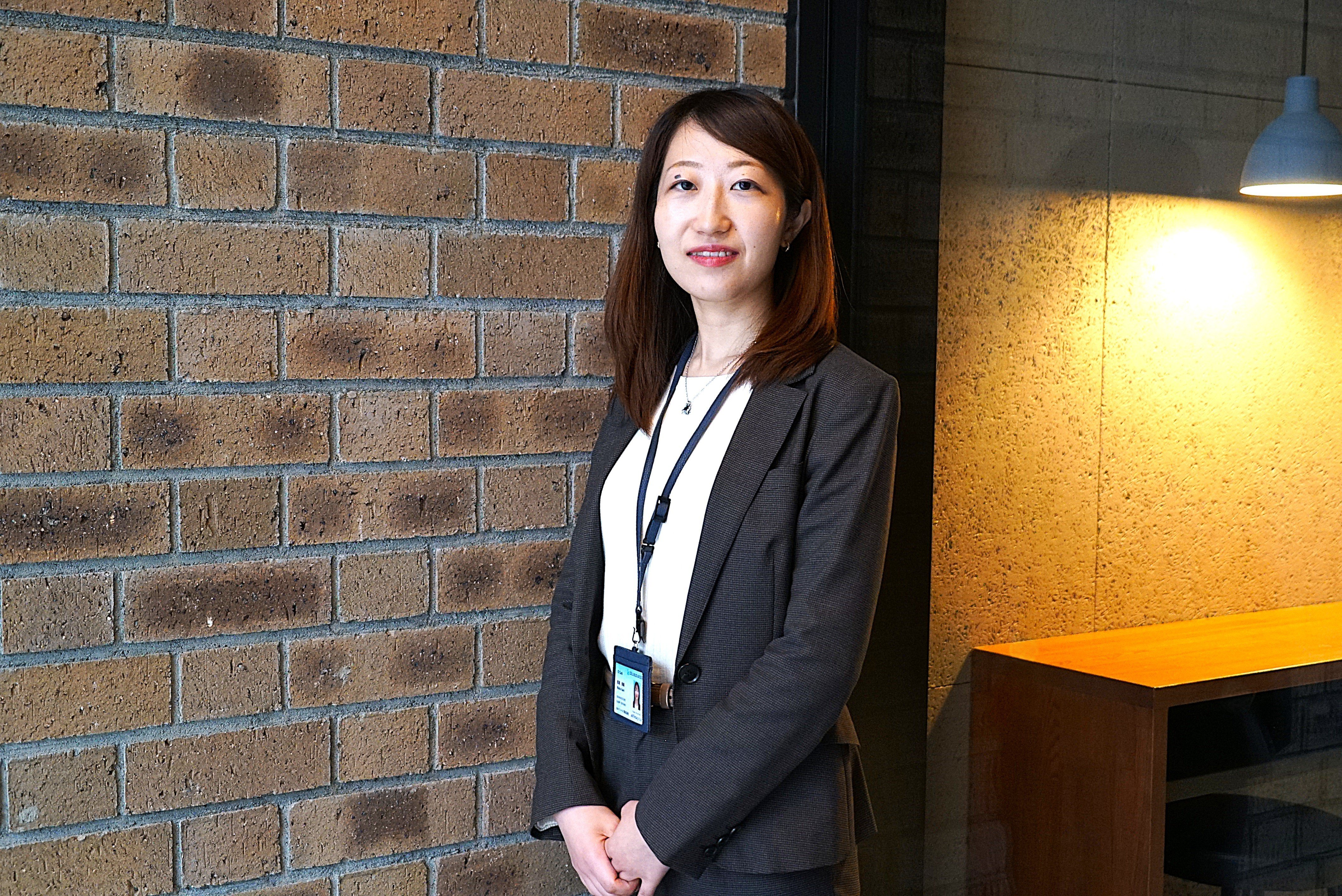 Kaori Nishio of the Business Development Department at Cell Resources Corporation,
which operates Alfresa Group’s Regenerative Medicine-Related Business.
Cell Resources Corporation, which operates Alfresa Group’s Regenerative Medicine-Related Business, is working with partners in Japan and overseas to build frameworks that support regenerative medicine from research and development through to manufacturing. Through these efforts, the company aims to help expand new treatment options for patients and contribute to the advancement of medicine. In December 2025, Cell Resources concluded a strategic partnership with ENCell Co., Ltd. (“ENCell”), a leading South Korean CDMO*1 offering cell and gene therapy (CGT) product development and manufacturing services globally. Under this agreement, the two companies will refer customers to each other, create new business opportunities in their respective markets, and seek to expand their businesses in the regenerative medicine sector.
Playing a central role in concluding this agreement was Kaori Nishio of the Business Development Department at Cell Resources Corporation. Ms. Nishio began her career as an MS*2 at Alfresa Corporation, the Alfresa Group company engaged in the Ethical Pharmaceuticals Wholesaling Business. In 2024, she was seconded to Cell Resources Corporation, where she took on a new challenge—establishing a regenerative medicine business. This would involve sales activities targeting academia (universities and research institutions) at the stage before regenerative medicine products take shape, exhibiting at academic conferences, and negotiating and collaborating with overseas companies. We spoke with Ms. Nishio, who took on these responsibilities with no previous experience and is steadily overcoming the challenges one by one.
*1 CDMO: Contract development and manufacturing organization. An organization that provides contracted services ranging from the development of pharmaceutical manufacturing processes to the manufacture of investigational drugs and commercial products.
*2 MS: Marketing specialist. A salesperson with specialized knowledge in pharmaceutical wholesaling.
Reference: Notice Regarding Strategic Partnership Agreement Between Cell Resources Corporation and ENCell Co., Ltd.
A New Career Offers the Chance to Gain a Broader Perspective
After graduating from university, Ms. Nishio joined Alfresa Corporation and worked as an MS in Tokyo and Kanagawa Prefecture for nine years. The main role of an MS is to support the seamless provision of medical care by providing our major customers, medical institutions (hospitals and clinics, as well as physicians, pharmacists, nurses, etc.) with the pharmaceuticals they need, at the required time, together with accurate information as necessary.
“What left the strongest impression on me in my work as an MS was coordinating with the other team members at the company. The delivery staff and office staff would share changes they picked up on in phone calls or casual conversation with customers; that enabled me to improve the quality and speed of my responses, and the accumulation of those efforts helped build trust in the company.” In that cumulative process of providing accurate information and sincere customer service as a matter of course, Ms. Nishio learned that trust was built not through individual results, but through cooperation across the entire team. “My experience in the field made me keenly aware that the work of an MS is not an individual endeavor,” she recalls.
As she gained experience as an MS, Ms. Nishio began thinking about her future career. “I wondered how I could apply my frontline perspective and experience in building relationships of trust amid the changes that were happening in the environment surrounding healthcare.”
The turning point came when Cell Resources conducted an internal recruitment program within the Alfresa Group. The company was recruiting personnel to join in April 2024 with the aim of expanding its regenerative medicine business. Learning of this, she was drawn by the opportunity to gain new experience in sales for regenerative medicine products, and to take on the challenge of building a business at Cell Resources. Even so, she was hesitant. “I was anxious about whether my experience was applicable, and it took courage to take that step.” After careful consideration, she saw it as a chance to broaden her perspective, and applied for a secondment to Cell Resources.
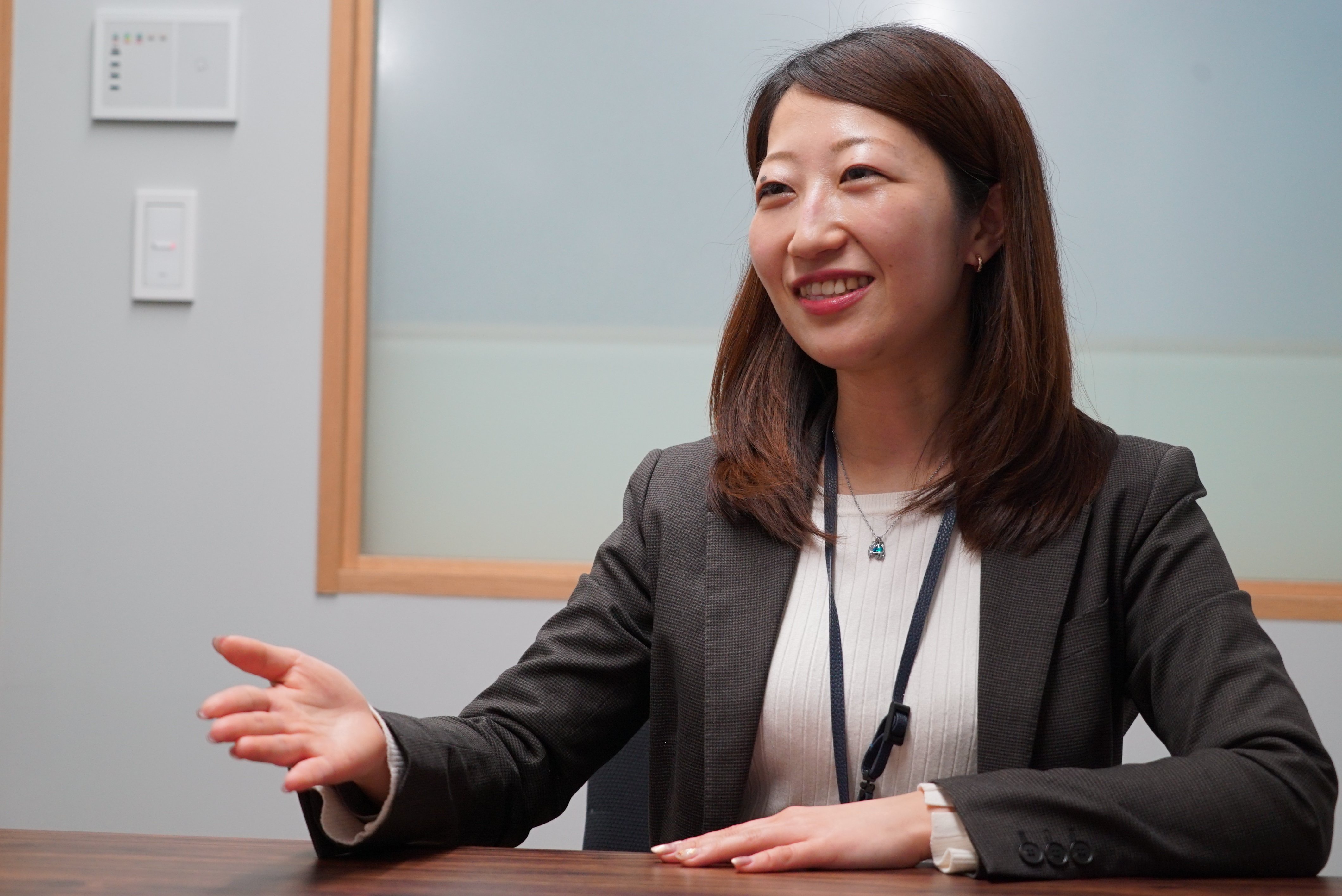 Ms. Nishio reflects on her journey since joining Alfresa Corporation
Before Seeking Specialized Knowledge, Grasp the Overall Flow
Ms. Nishio joined Cell Resources believing she could apply the experience she had gained as an MS, building sales activities around customer feedback. Even so, as she candidly recounts, “At first, I worried whether I was capable of contributing to the organization.” The highly specialized fields of regenerative medicine and CDMO services required knowledge different from what had been expected of her as an MS of wholesale ethical pharmaceuticals.
In interviews and meetings, specialized terms were often used, such as “differentiation potential” (a property indicating what kinds of cells a cell can become), “surface antigen markers” (molecules on the surface of cells that indicate the cell’s type or condition), and “tech transfer” (the transfer of a developed manufacturing method to a different facility or organization). Without understanding these terms, she could not judge where the key points of the discussion were. What’s more, as she had not grasped the development process leading up to the practical application of regenerative medicine products, she could not understand which phase academic experts were talking about, and struggled to communicate with them.
Faced with this difficulty, Ms. Nishio began by seeking to understand what stakeholders were involved, and at which stages quality and safety were ensured, during the process of research, development, and manufacturing that pharmaceuticals go through before they reach the market. It was especially important to understand the extent of each person’s responsibilities and how these were handed over to the next stage. She decided to familiarize herself with the overall flow. In doing so, she came to understand which stakeholders she needed to coordinate among, what roles were required to move a project forward, and when these roles were required. “By grasping the overall picture, I was able to step into fields outside my own expertise without hesitation,” Ms. Nishio recalls.
Ms. Nishio tells how grasping the overall picture helped her understand what roles she needed to fulfill.
Wanting to gain a wide range of experience at Cell Resources and broaden her perspective, Ms. Nishio announced to those around her, “I want to take on more and more new challenges while making use of my experience as an MS.” She set about revising the formats of various forms needed in sales activities, such as order forms and delivery slips, and organized internal workflows. The forms are basic tools that facilitate smooth internal communication by clarifying who requested what and when, under what conditions, and in what manner it should be provided. Revising the formats entailed standardizing the necessary items, approval routes, and form-filling procedures, which enabled work to be conducted seamlessly even when the person in charge changes. These efforts played a significant role in the establishment phase of the business.
One area Ms. Nishio focused on was creating a framework for providing material (cell samples for research) to academia. These cells are not used directly for treatment, but are used for non-clinical purposes such as research or testing. Because there is a risk of unintended use or management, it is necessary to determine in advance the purpose of use, scope of use, method of storage, and disposal procedures. These conditions are organized and established in a document called a material transfer agreement (MTA) that aligns the understanding of the stakeholders. The MTA also includes items that require legal judgement such as intellectual property, confidential information, and responsibility in the event of an accident. Ms. Nishio therefore consulted with a lawyer while preparing the document in line with the company’s actual operations. It proved to be an essential foundation for putting into practice the Group’s philosophy of reliability, safety, and sincerity.
“Because the business had only just begun and there were no precedents, we established the contracts and operational procedures step by step, as if stacking building blocks one at a time,” she says, smiling gently.
Communication Skills for Collaboration with Overseas Companies
Ms. Nishio also handled partnering activities at BioJapan, a biotechnology expo held in Japan, as well as event operations at the Congress of the Japanese Society for Regenerative Medicine.
BioJapan is an international event that brings together companies and research institutions in the biotechnology and pharmaceutical fields for business discussions and information exchange, with stakeholders from Japan and overseas gathering in one place. In the partnering meetings, where pre-matched companies hold short meetings with each other, Ms. Nishio was required to convey Cell Resources’ strengths and the value it could offer clearly and concisely. As part of the preparations, she was involved in creating English introductory materials for the company. Although she says that balancing clear communication and accurate use of technical terms was difficult, in practice, she managed by carefully considering her choice of words and the order in which to present information.
The Congress of the Japanese Society for Regenerative Medicine is an important venue not only for directly gathering the latest research findings and industry trends, but also for building relationships with researchers. In event operations, Ms. Nishio gained many practical insights by coordinating with numerous stakeholders in the limited time available, and by being involved in event proceedings and schedule management. As her experience grew, she began to take an active role in discussions with overseas companies, expanding the scope of her work beyond Japan to the international market.
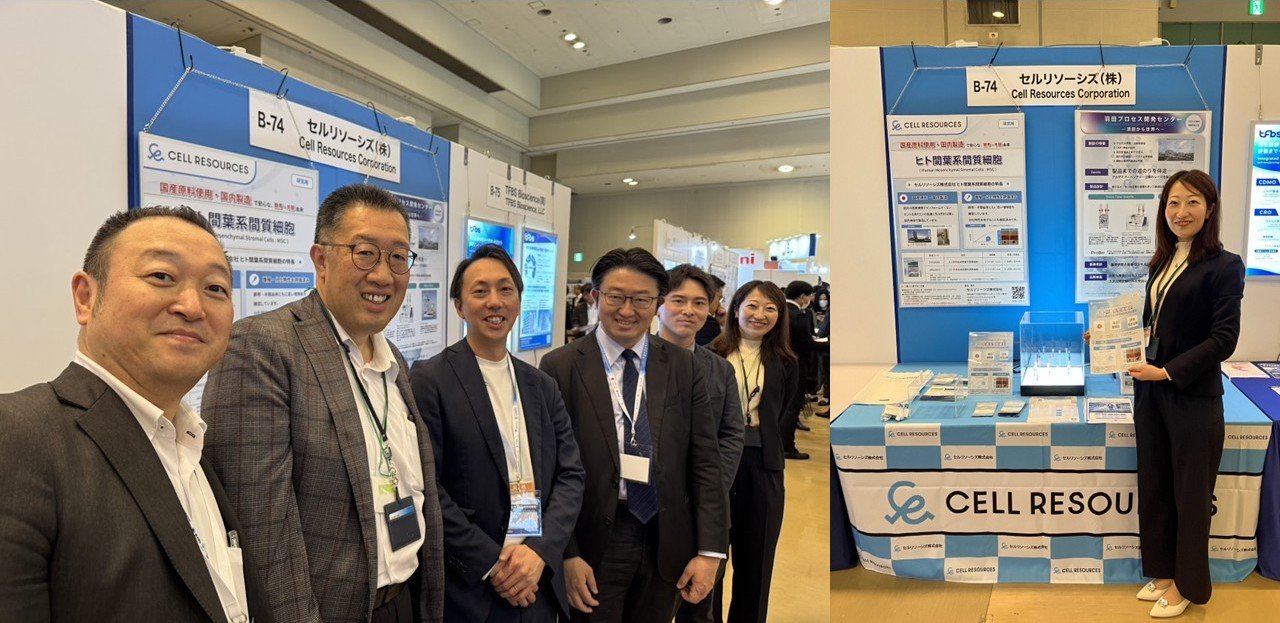 The booth of Cell Resources Corporation at the Congress of the Japanese Society for Regenerative Medicine.
Discussions were held with stakeholders in the regenerative medicine field.
Exploring the Potential for Collaboration in the Japanese Market
The partnership with ENCell began through partnering activities at the October 2024 Cell & Gene Meeting on the Mesa, an international event held in the U.S. where participants exchange views on the latest trends in cell and gene therapy and explore potential collaborations. Ms. Nishio subsequently served as the point of contact with ENCell, and visited the company in South Korea in December 2024. Through dialogue and a tour of the manufacturing facilities, both sides shared their approaches to business, their respective strengths, and the challenges they faced. They also openly discussed their corporate cultures, deepening mutual understanding. In the regular meetings that were held thereafter, the companies built a relationship of trust.
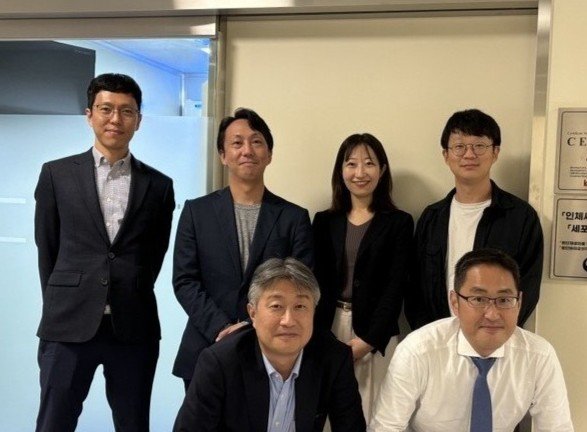 Visit to ENCell in South Korea.
Through the facility tour and dialogue, the companies deepened their mutual understanding.
ENCell was considering business expansion into Japan, and in light of this intention, Ms. Nishio began exploring possible collaborations between ENCell and Japanese pharmaceutical companies. Specifically, she collected data on the disease areas and modalities*3 that Japanese pharmaceutical companies were focusing on, and examined them for points that matched ENCell’s development themes. Presenting multiple options in consideration of each company’s business policies and R&D direction, she worked alongside ENCell as it considered entering the Japanese market.
In the wake of these preparations and discussions, Cell Resources and ENCell concluded a strategic partnership on December 1, 2025. For the signing ceremony, which further strengthened the ties between the two companies, a total of six executives and employees from ENCell, including its CEO, visited Japan. Ms. Nishio served as the main coordinator, working with internal members on everything from arranging the venue to managing operations on the day. She says that at this event, she was able to put to use the know-how she acquired in event operations after joining Cell Resources.
*3 Modality: A new form or method of pharmaceuticals product or treatment technology.
Making Issues Clear to Ensure Better Consultation
In the negotiations with ENCell, Ms. Nishio was acutely aware of how much her own decisions could affect the entire project. Even so, she recalls, “With so many stakeholders and so many issues to discuss, there were times I found myself wondering how far I should proceed based on my own judgment, and at what point I should share matters with those around me.” Although she knew that she could receive assistance if she consulted others, she worried that if she did so without organizing the issues first, she might end up wasting their time. Then, noticing her hesitation, her supervisor and colleagues reached out to her. This reminded her of the importance of sharing information early and moving forward in cooperation with those around her—a lesson she had learned as an MS. The realization prompted her to consult with others on questions such as “What don’t I understand?” and “Which points do I want opinions on?” Ms. Nishio recounts, “Through my secondment to Cell Resources, I have gradually become able not merely to find answers on my own, but to work with the team to create the best solution together.”
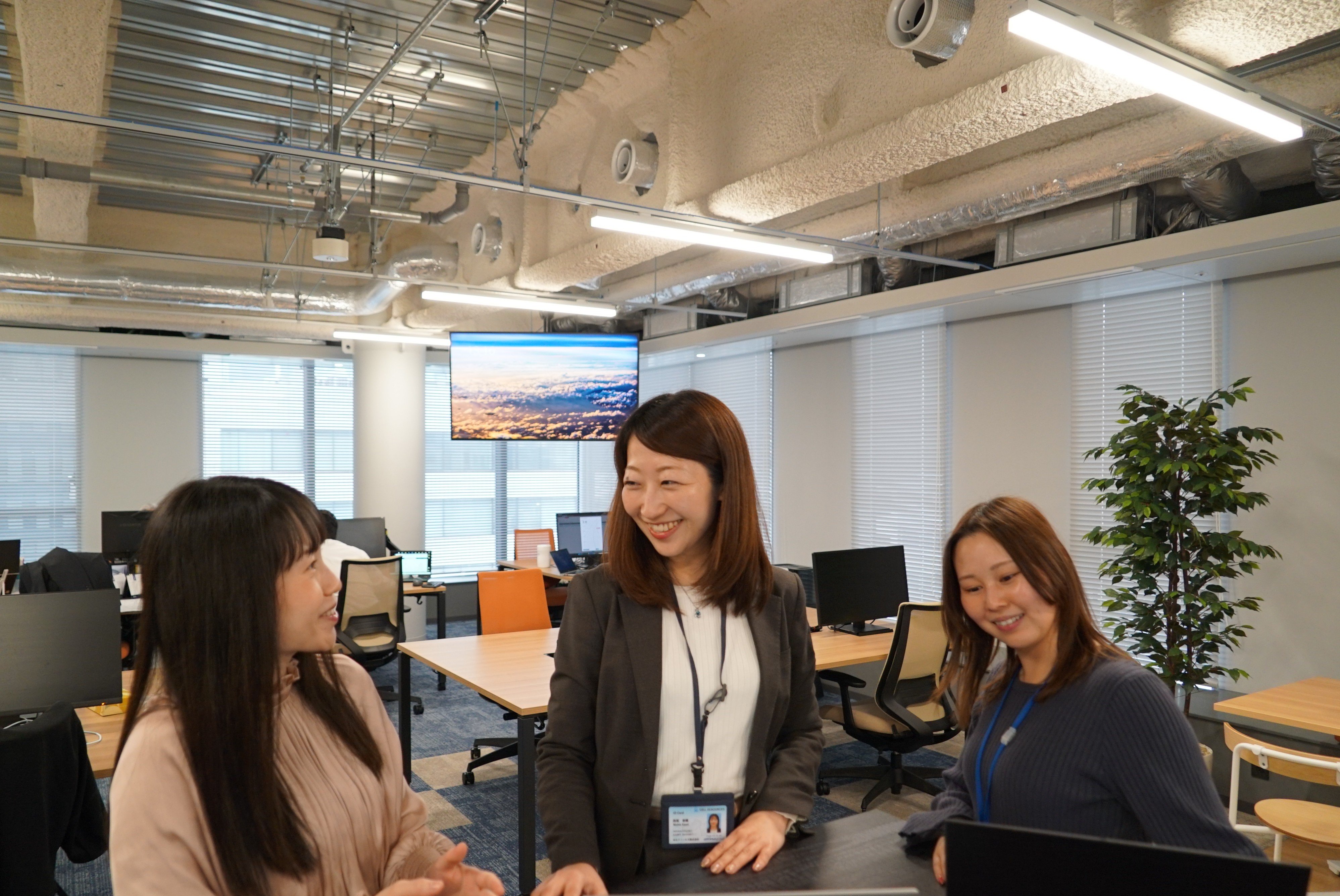 A team briefing is held to prepare for a meeting with ENCell.
From left: Karen Arita, Corporate Planning Department; Ms. Nishio; Kaori Aida, Human Resources and General Affairs Department.
The Strategic Partnership is not the Goal, but the Beginning
Speaking about her day-to-day work at Cell Resources, Ms. Nishio’s eyes light up. “Instead of making decisions within a predetermined framework, I often have to consider matters with no precedent, which has greatly changed the way I see things.”
When asked about Ms. Nishio’s personality, her colleagues describe her as “someone who moves things forward with consideration,” “someone who can give her ideas tangible shape,” and “someone who conveys both sincerity and warmth.”
“Concluding the strategic partnership with ENCell was not the goal, but the beginning,” says Ms. Nishio.
Going forward, the challenge will continue as Cell Resources holds discussions with pharmaceutical companies to identify partners for commercialization and expand the possibilities for collaboration.
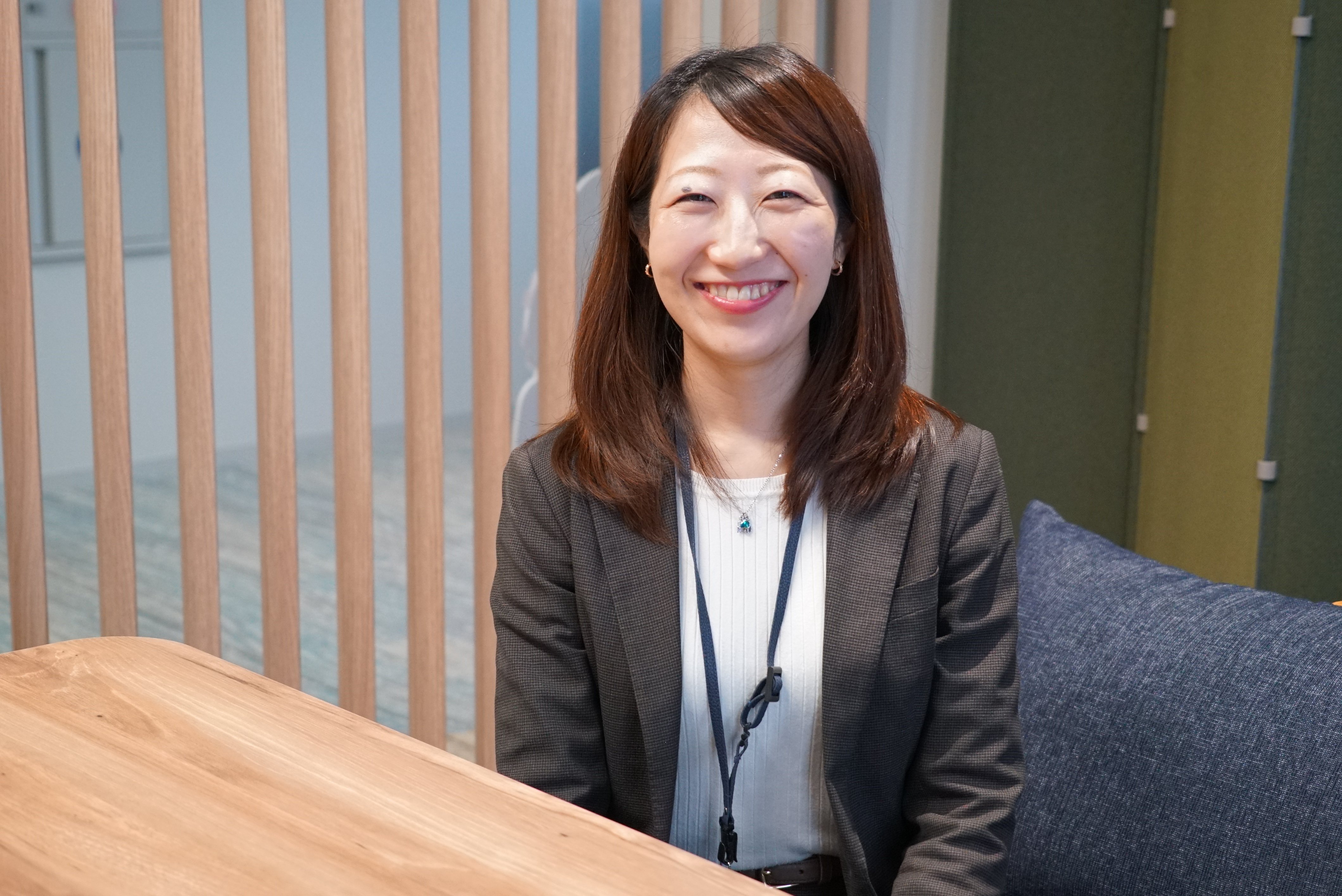 Not the goal, but the beginning: Ms. Nishio’s challenge continues.
Comment from Akira Suzuki, Director, Cell Resources Corporation
>>>>
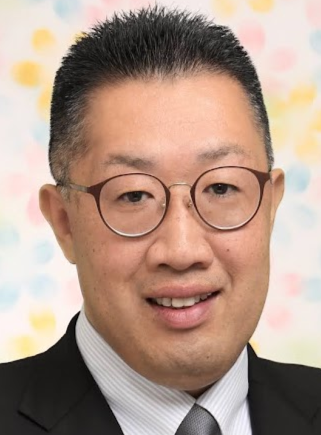
Akira Suzuki, Director,
Cell Resources Corporation
In the fields of regenerative medicine and CDMO services, which were unfamiliar to her, Ms. Nishio has taken on challenges boldly and steadily tackled each new responsibility one by one. Even when faced with difficult tasks involving highly specialized fields and negotiations with overseas partners, she approaches her work with sincerity and moves them forward while involving those around her.
The conclusion of the agreement with ENCell is a major achievement, but it is only the beginning. We are now entering the phase in which this agreement will be translated into concrete business development. I hope that Ms. Nishio will continue to take on challenges without fear, and accelerate the growth of our business while making full use of her strengths.
<<<<
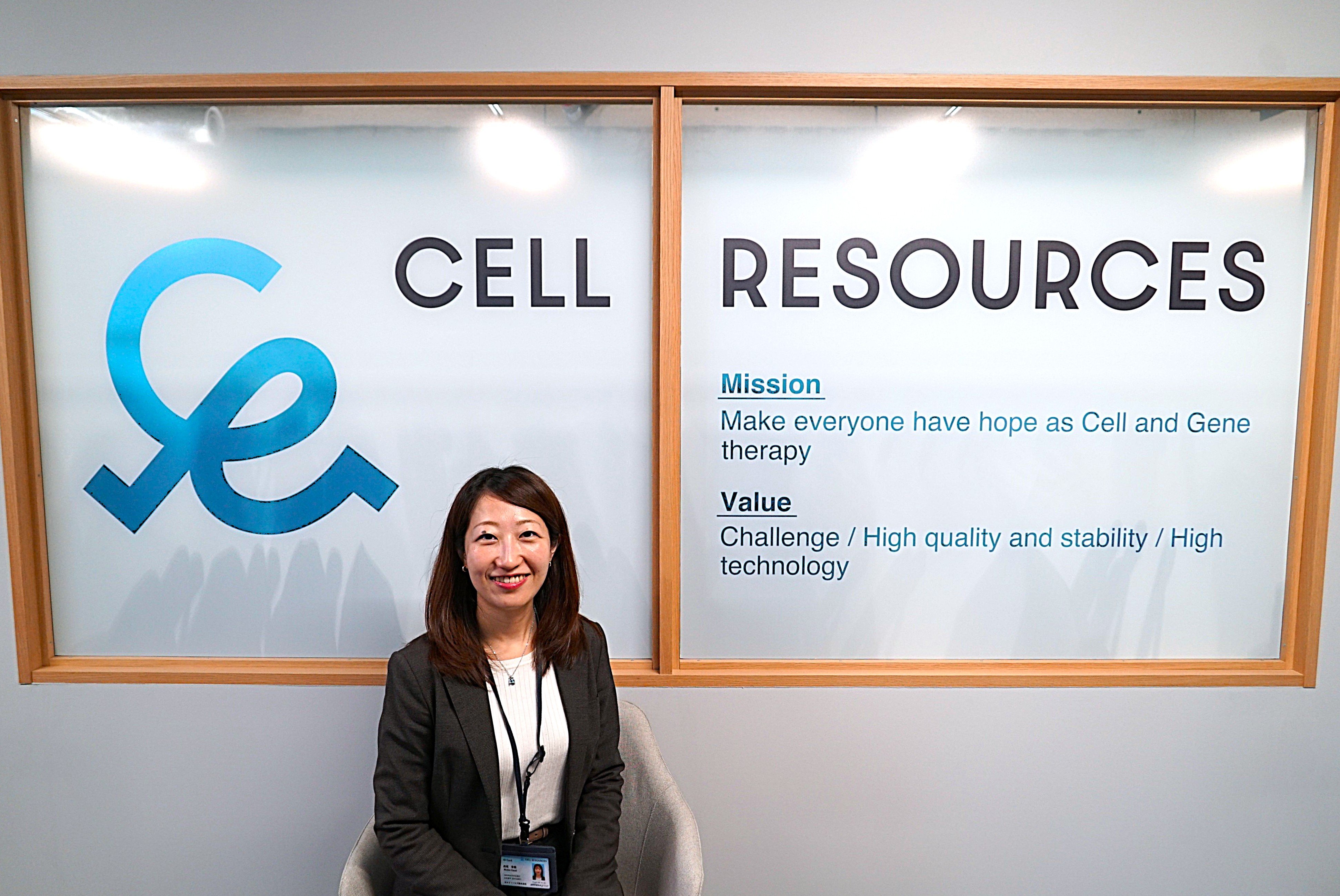 Ms. Nishio declares that she will accelerate business growth.
Notice: This document is a translation of the original Japanese document and is for reference purposes only. In the event of any discrepancy between this translated document and the original Japanese document, the latter shall prevail.